
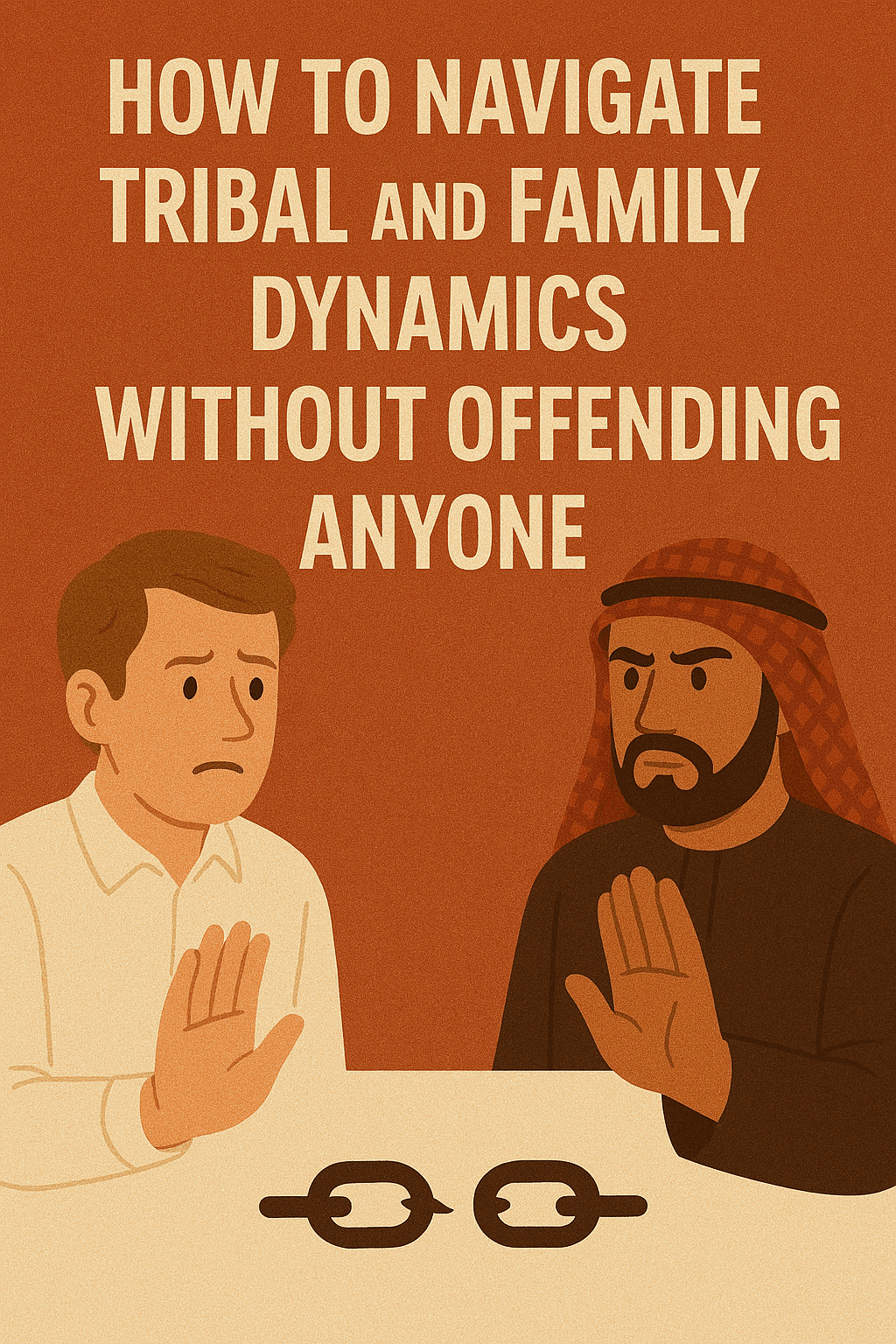
When Jake (name changed) an eager young missionary from Texas, arrived in the Middle East, he was ready to change lives. He had spent years studying Arabic, memorizing Scripture, and preparing his heart for the mission field. But within weeks of arriving, he had unintentionally burned bridges he didn’t even know existed.
One of his biggest mistakes happened when he met Ahmed, a young man who showed interest in Jesus. Excited, Jake invited Ahmed to a Bible study, urging him to come alone to avoid “family interference.” Ahmed hesitated but eventually attended. However, the next day, his older brother confronted him, furious that he had gone somewhere without informing the family. Worse yet, their father felt publicly disrespected—he had not been consulted before his son made such a significant decision. Overnight, Ahmed was forbidden from meeting with Jake, and the door to the entire family slammed shut.
Jake learned the hard way that in the Middle East, faith is never just an individual decision—it’s a family matter. He had unknowingly isolated Ahmed, causing his family to react defensively rather than being open to the gospel.
Western individualism often clashes with the communal mindset of the Middle East. Here, people don’t just represent themselves; they represent their family, their tribe, and even their entire ethnic or religious group. Understanding these dynamics is crucial if you want to be effective in ministry while avoiding unnecessary offense.
1. Know Who Holds Influence
Decisions in the Middle East are rarely made alone. The father, the eldest uncle, or even the tribe’s leader often holds the power to accept or reject a new idea. Jake made the mistake of engaging Ahmed individually, without first building trust with the family elders. If he had approached Ahmed’s father first—perhaps visiting their home, drinking tea with them, and showing respect—he could have gained access to the entire household rather than isolating one individual.
Practical Tip: If you’re invited into someone’s home, acknowledge and respect the elder in the room. A simple greeting or a few words of deference can go a long way.
2. Honor is Everything
In the West, people value truth even when it offends. In the Middle East, honor and shame dictate behavior. When Jake excitedly explained to Ahmed how his family’s religious traditions were “wrong,” he thought he was presenting truth. But in reality, he was dishonoring Ahmed’s entire lineage.
A public challenge to a person’s faith or values is a direct attack on their identity and family honor. Instead of making Ahmed more curious, Jake’s approach forced him to defend his family and faith, shutting down spiritual openness.
Practical Tip: Instead of direct confrontation, ask thoughtful questions. Let people wrestle with Scripture on their own, rather than feeling pressured to defend their family’s honor.
3. Never Isolate Someone from Their Family
When Jake invited Ahmed to study the Bible in secret, he unintentionally made faith seem like an act of betrayal. In the Middle East, following Jesus shouldn’t mean abandoning family—it should mean loving and honoring them in a Christlike way.
Instead of asking Ahmed to separate from his family, Jake should have found ways to involve them. Perhaps he could have started by building friendships with Ahmed’s brothers, joining family meals, or discussing faith in a group setting rather than one-on-one.
Practical Tip: Instead of pushing for an immediate decision, help people navigate faith in a way that honors their family relationships as much as possible.
4. Be Patient—Change Takes Time
After his early mistakes, Jake realized he needed to slow down. He stopped focusing on rapid conversions and instead invested in relationships. Over time, he became a trusted family friend. He attended weddings, celebrated births, and mourned with the family during losses. Eventually, small spiritual conversations began happening—this time, with the whole family involved.
One day, Ahmed’s father—who had once forbidden his son from speaking with Jake—asked Jake to pray for their sick grandmother. This was the turning point. Over the next year, several family members, including Ahmed, began reading the Bible together.
Practical Tip: Play the long game. Invest in relationships, build trust, and allow the Holy Spirit to work in His timing.
Final Thought: Love Over Strategy
At the end of the day, strategies and cultural insights are helpful, but they mean nothing without genuine love. People in the Middle East can tell when you truly care about them versus when you just see them as a “mission project.”
Jake learned that honoring family dynamics doesn’t mean compromising the gospel—it means presenting it in a way that invites entire families into God’s story, rather than forcing individuals to choose between Jesus and their loved ones.
If you take the time to love people well, respect their family structures, and honor their traditions, you’ll find that the gospel naturally takes root in the most unexpected places.
What cultural lessons have you learned in ministry? Share your thoughts below!
 The Basin and Towel