
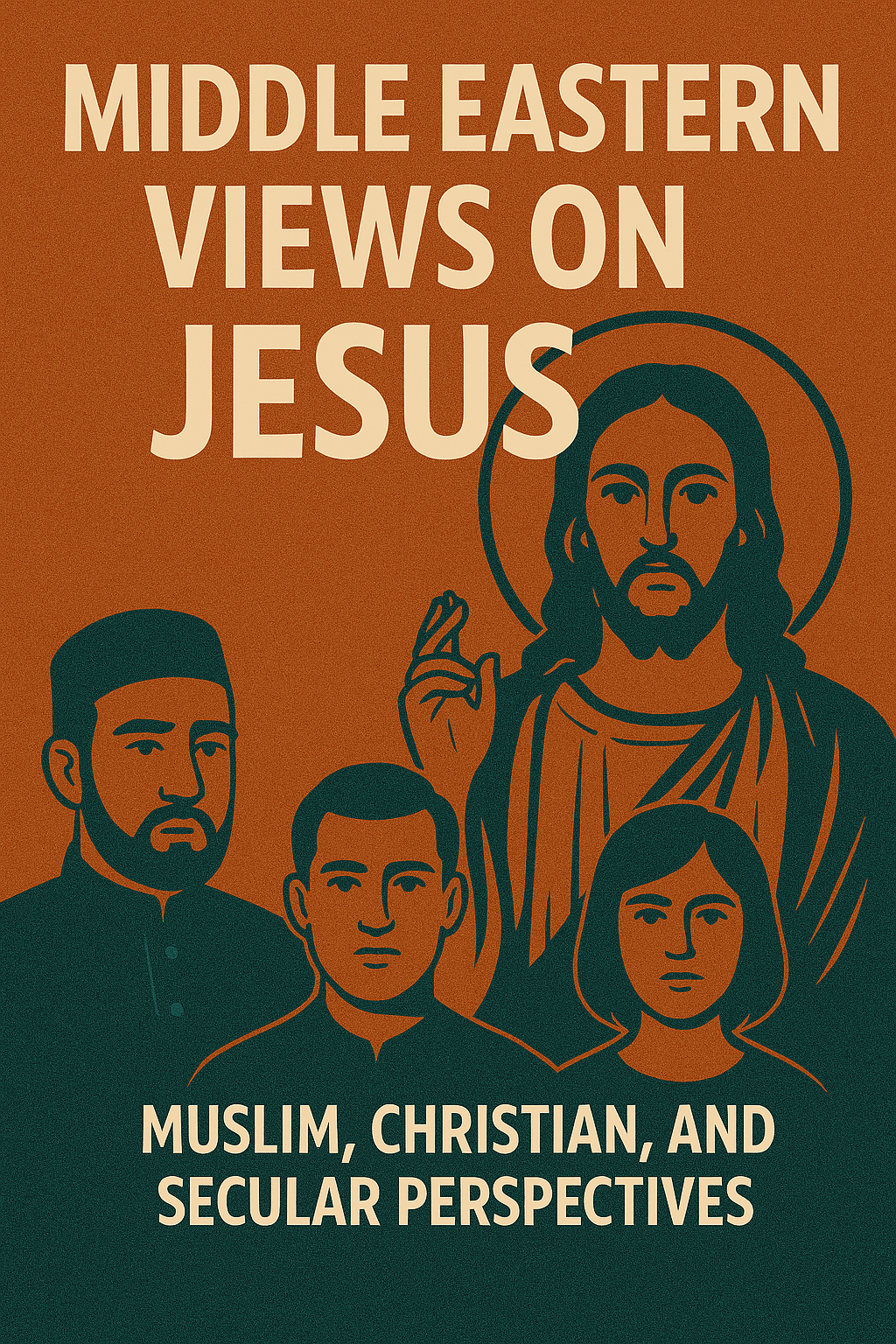
If you were to walk through the streets of Cairo, Istanbul, or Amman and ask a dozen people, “Who is Jesus?” you would likely receive a fascinating mix of responses. The Middle East, as the birthplace of Christianity and Islam, holds deeply rooted and sometimes conflicting perspectives on Jesus—each shaping culture, faith, and identity in profound ways.
The Muslim Perspective: Prophet, Not Divine
For Muslims, Jesus (known as Isa in Arabic) is revered as one of the greatest prophets in Islam. The Quran speaks highly of him, referring to him as the Messiah (Al-Masih), born of the Virgin Mary (Maryam), and a worker of miracles. However, Islam rejects the Christian belief in his divinity and crucifixion.
Muslims believe that Jesus was a prophet who preached monotheism and that he was not the Son of God. Instead, they hold that he was neither crucified nor killed but was rather taken up by God (Surah 4:157-158). They also anticipate his second coming as a just ruler before the Day of Judgment.
This perspective creates both bridges and barriers between Muslims and Christians. While there is admiration for Jesus, his divine identity is a major theological divide.
The Christian Perspective: The Son of God and Savior
Middle Eastern Christians—whether Orthodox, Catholic, or Protestant—firmly hold to the biblical view of Jesus as the Son of God, the second person of the Trinity, and the Savior of humanity. They believe in his crucifixion, resurrection, and atonement for sins, which form the core of the Gospel message.
Christian communities in the Middle East, many of which trace their roots back to the earliest days of the faith, have suffered persecution yet remain steadfast in their belief. For them, Jesus is not just a religious figure but the very foundation of their identity and hope amid challenges.
The Secular Perspective: A Cultural or Historical Figure
Among secular or non-religious individuals in the Middle East, views on Jesus vary widely. Some see him as a historical figure, a moral teacher, or a revolutionary who challenged societal norms. Others, influenced by political or cultural narratives, may view Jesus through a nationalist or ideological lens, stripping him of religious significance but recognizing his impact on world history.
Interestingly, some Middle Eastern secularists respect Jesus as an ethical model while rejecting institutional religion. They may admire his teachings on love, justice, and humility but do not accept supernatural claims.
Why These Perspectives Matter
Understanding these distinct views on Jesus is crucial for meaningful interfaith dialogue and cultural engagement. Whether in evangelism, ministry, or casual conversations, knowing where someone stands on Jesus can help foster respectful discussions rather than confrontations.
At the heart of it all, Jesus remains an unavoidable figure in the Middle East. Whether viewed as a prophet, Savior, or historical figure, his presence continues to shape hearts, beliefs, and societies in ways that transcend time and religious divides.
 The Basin and Towel