
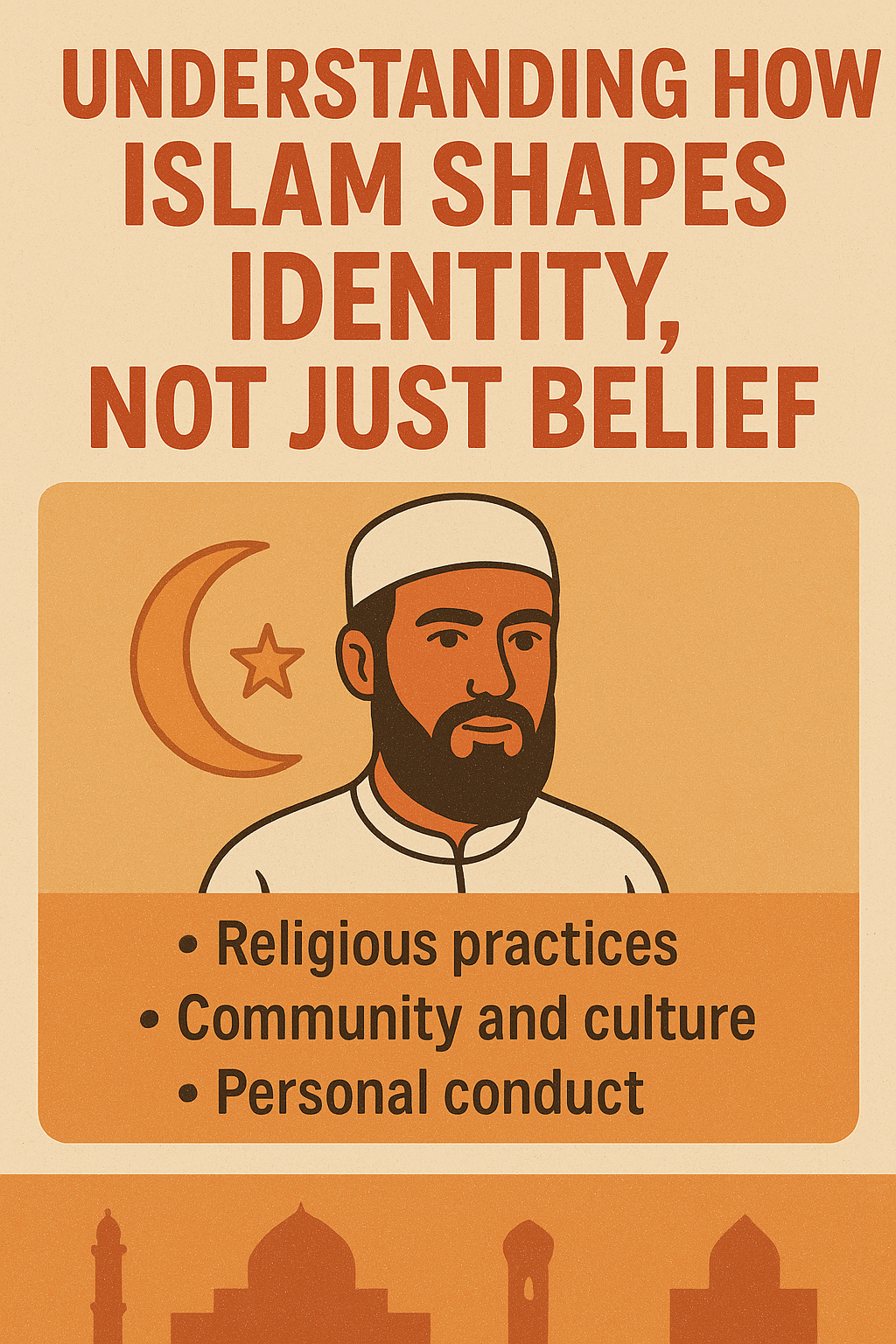
When Yusuf, a young Middle Eastern man, first encountered Jesus, something in his heart stirred. He had grown up in a devout Muslim family, memorizing Quranic verses, fasting during Ramadan, and hearing stories of the prophets. But when he read the words of Jesus in the Injil (New Testament), he was captivated.
For months, he wrestled with questions. Could Jesus really be more than a prophet? Could God truly be known as Father? One evening, he finally made the decision—I believe.
But his journey was only beginning. The next morning, he woke up to the realization that his faith wasn’t just a private decision—it changed everything. His name, his place in the family, even his future was now uncertain.
Many in the West see faith as a personal journey, an individual choice. But in the Middle East, faith is woven into identity, family, and community. To follow Jesus isn’t just about what you believe—it’s about who you are and where you belong.
If you want to effectively share Christ in the Muslim world, you need to understand how deeply Islam shapes identity—and how to walk alongside those who are counting the cost of following Jesus.
1. Islam is More Than a Religion—It’s a Way of Life
Islam isn’t just a set of theological beliefs—it’s an entire worldview that influences daily routines, family expectations, social status, and national identity.
From the morning call to prayer to greetings, dress, and even eating habits, Islam is embedded into every part of life. Even those who are not particularly religious often still identify as Muslim because it is part of their heritage.
What You Should Do:
- Recognize that when someone questions Islam, they are questioning everything they have ever known—this takes time.
- Respect their journey and provide support and patience as they navigate this massive shift.
2. Leaving Islam Feels Like Betraying Family and Honor
In the West, people can change religions without much consequence. In the Middle East, leaving Islam is seen as shameful—not just for the person, but for their entire family.
A new believer may face rejection, loss of relationships, or even danger. The pressure isn’t just external—it’s internal too. They carry the weight of family expectations and cultural loyalty.
What You Should Do:
- Instead of pushing for quick decisions, help seekers understand how Jesus fulfills their deepest longings without forcing them to abandon their cultural identity.
- Show them biblical examples of those who had to leave everything for Christ—but also how Jesus promises a new family in Him (Mark 10:29-30).
3. Community Defines Belief—Faith is Not Just Personal
Western culture emphasizes personal choice: What do you believe? But in Middle Eastern culture, belief is deeply tied to family, tribe, and nation.
For many Muslims, faith isn’t just about their personal relationship with God—it’s about belonging to a larger, unified group. Accepting Christ may feel like stepping away from that unity into isolation.
What You Should Do:
- Don’t just offer a new faith—offer a new community. Believers need to know they are not alone.
- Help them connect with other followers of Jesus, even if it’s in secret at first.
4. “Christianity” is Often Seen as Foreign
For many Muslims, Christianity is not just a different religion—it’s a Western religion. They associate it with Western culture, politics, and history. Even if they are drawn to Jesus, they fear that following Him means betraying their people or adopting a foreign identity.
What You Should Do:
- Show that following Jesus is not about becoming Western—it’s about returning to God’s original plan for all people.
- Highlight the Middle Eastern roots of Christianity—Jesus was born in the Middle East, and many of the earliest Christians were from this region.
5. Honor and Respect Matter More Than Arguments
Many Westerners believe that if they just present enough facts, their Muslim friends will be convinced. But in the Middle East, belief is not just about logic—it’s about honor, trust, and relationships.
A public debate might win an argument but lose a relationship. If someone feels dishonored, they will reject the message, even if it’s true.
What You Should Do:
- Instead of debating, use storytelling—Jesus Himself used parables to reveal truth.
- Show respect for their traditions and culture even as you point to Christ.
- Build genuine friendships before introducing difficult theological discussions.
Final Thought: The Gospel is an Invitation, Not Just a Challenge
Following Jesus in the Muslim world is costly. But for many, the beauty of Christ is worth it. When we invite people to follow Him, we must do so with love, patience, and deep understanding of what they are giving up—and what they are gaining.
If we walk alongside them with compassion, offering them not just truth but a new family in Christ, we will see the gospel take root in ways we never imagined.
 The Basin and Towel