
The Call in the Dark
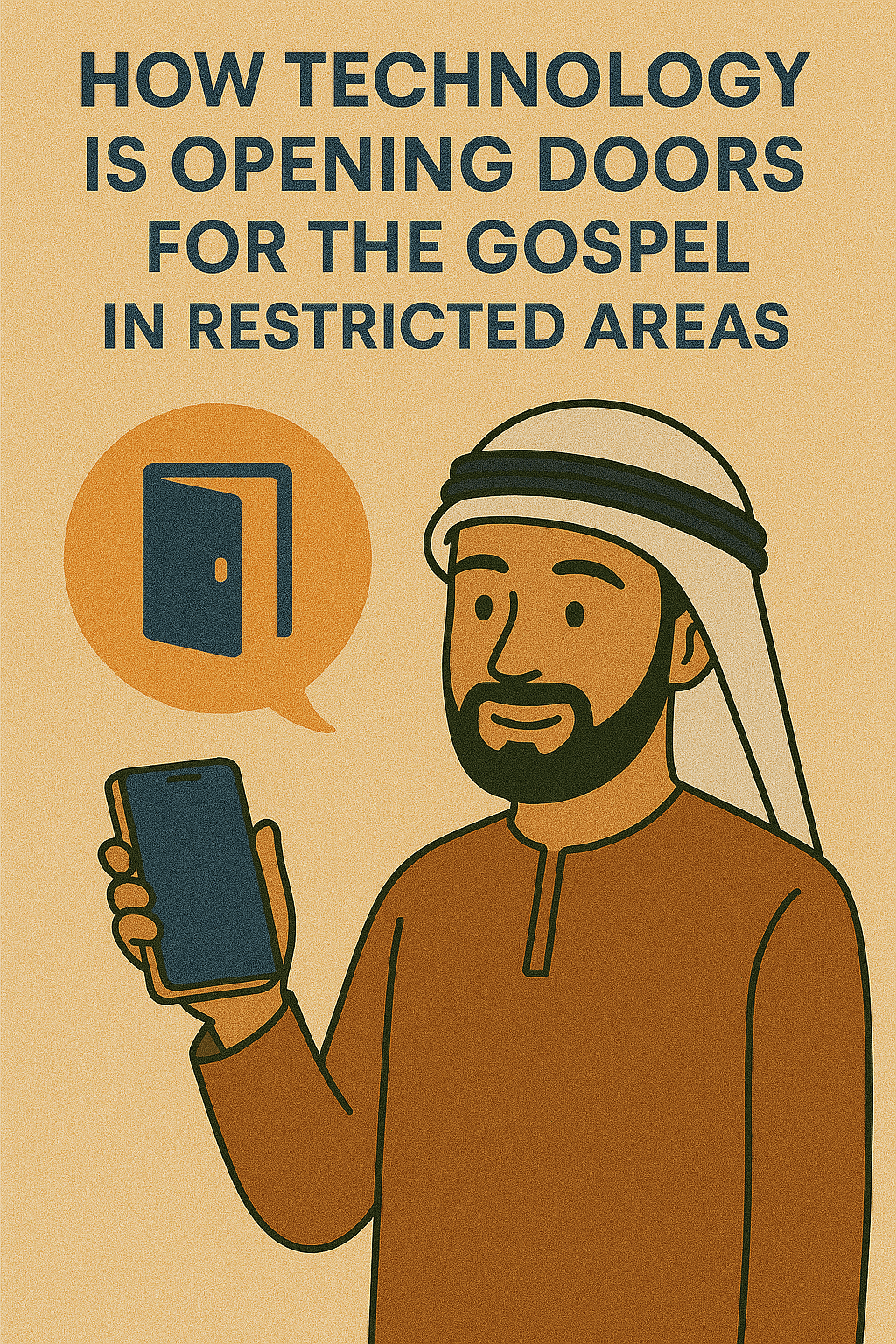
David stood in streets of a conservative city in Saudi. He looked around knowing you can’t openly share the Gospel. The risks are real and not just for him, but for the people he’s trying to reach. This is the reality in many restricted countries. But what if I told you that the very smartphones in their pockets are becoming powerful tools for spreading the Good News?
The Digital Mission Field
In places where traditional missionary work is dangerous or outright illegal, technology has become the new frontier. Social media platforms, encrypted messaging apps, and even simple SMS are transforming how we share the Gospel. I’ve seen firsthand how a single YouTube video or a WhatsApp message can spark curiosity, lead to conversations, and eventually guide someone to Christ.
1. Social Media: Reaching Behind Closed Doors
Facebook, Instagram, and TikTok aren’t just for selfies and dance videos. In restricted areas, they’re lifelines. Carefully crafted posts and testimonies in the local language can reach thousands—even millions—without ever stepping foot in the country. Algorithms help target the right audiences, and private groups provide safe spaces for seekers to ask questions and explore faith.
2. Encrypted Messaging: Safe Conversations in Unsafe Places
Apps like WhatsApp, Signal, and Telegram offer end-to-end encryption, making them ideal for sensitive Gospel conversations. I remember a brother in North Africa who received a digital Bible through an encrypted app. That simple act opened the door for weekly discipleship chats, all without the fear of government surveillance.
3. Digital Bibles and Resources: The Word at Their Fingertips
In places where owning a Bible can lead to imprisonment, digital versions are a game changer. Apps like YouVersion offer the Bible in hundreds of languages, accessible with just a tap. Audio Bibles are particularly powerful for the illiterate, allowing them to hear God’s Word in their heart language, even in the secrecy of their own homes.
Satellite TV and Radio: Broadcasting Hope
Channels like SAT-7 beam Christian programming directly into living rooms across the Middle East and North Africa. I’ve met people who tuned in out of curiosity and found themselves captivated by the message of Christ. Radio broadcasts, too, continue to be a vital tool, especially in rural areas where internet access is limited.
Challenges and Cautions
While technology opens incredible doors, it’s not without risks. Governments monitor internet activity, and digital footprints can lead to persecution. That’s why it’s crucial to use secure platforms and stay informed about the latest digital security practices. Always prioritize the safety of those you’re reaching.
The Future of Digital Missions
The digital mission field is vast and constantly evolving. Virtual reality church services, AI-powered Bible studies, and more are on the horizon. But at the heart of it all is the timeless message of Jesus—adapted to new tools but unchanged in its power to transform lives.
Final Thoughts
Technology isn’t just a convenience; it’s a calling. In restricted areas where voices are silenced, the digital world offers a whisper of hope. If you feel led to support or engage in digital missions, start small—share a video, send an encouraging message, or pray for those navigating this new frontier. The Great Commission is alive and well, and technology is helping carry it to the ends of the earth.
 The Basin and Towel