
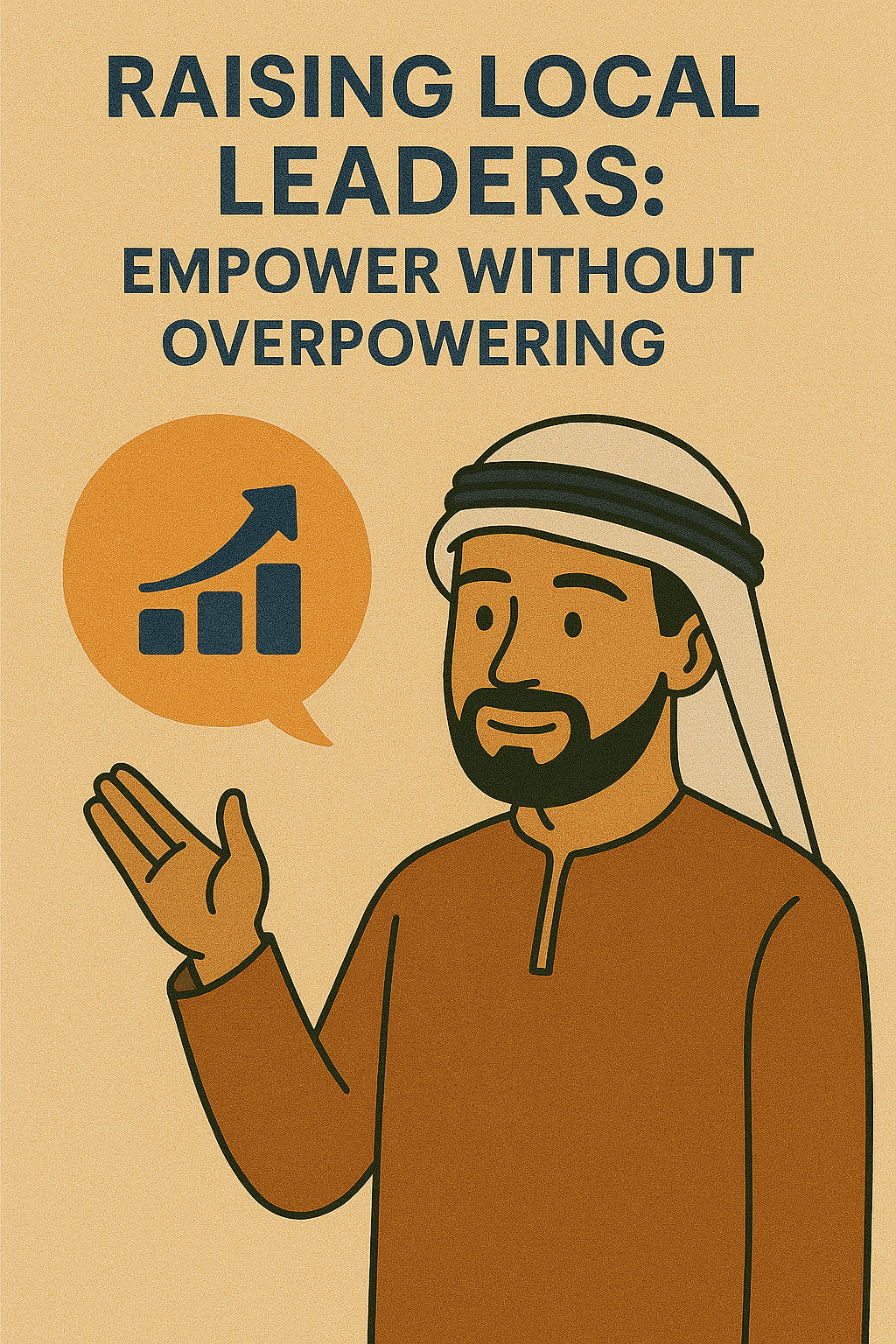
A seed planted in fertile soil has all the potential to grow into a strong, towering tree, but if you constantly hover over it, adjusting its branches and controlling its growth, you might stunt its natural development. Missions work can sometimes feel the same. When outsiders step into a community with the best intentions, their influence can unintentionally overshadow the very leaders they hope to empower. This brings us to a crucial question: How do we raise local leaders without overpowering them?
1. Recognize the Power of Presence
Sometimes, the very presence of an outsider can be intimidating. Missionaries often arrive with resources, training, and years of experience. But local believers possess something far more valuable, they have an intrinsic understanding of their culture, language, and community dynamics. Recognizing this shifts the focus from “What can I teach?” to “What can I learn?”
2. Listen First, Speak Later
It’s easy to enter a new environment with preconceived strategies, but every community has its own rhythm. Taking time to listen to local leaders’ stories, challenges, and visions is essential. Their ideas often reveal that the role of the outsider isn’t to direct but to support and affirm the God-given vision within the community.
3. Create Space for Ownership
True empowerment comes when local leaders take ownership. They should lead meetings, make decisions, and even face failure. Yes, failure is part of growth. When local leaders organize their first outreach events, things might not always go as planned. But those moments of struggle teach resilience and leadership—lessons they wouldn’t learn if someone else micromanaged the process.
4. Celebrate Their Wins, Not Yours
It’s tempting to highlight an outsider’s role in a ministry’s success, but the focus should remain on the local leaders. When a local believer successfully organizes a community Bible study or launches a new ministry, the celebration should center on their efforts. Public acknowledgment boosts confidence and reinforces their role as capable leaders.
5. Model, Don’t Dominate
Leadership is often more caught than taught. Modeling servant leadership, humility, and a willingness to step back shows local leaders that leadership isn’t about control but about serving others and pointing them to Christ.
6. Trust the Holy Spirit’s Work in Them
It’s easy to rely on proven methods and experiences, but local leaders are filled with the same Holy Spirit. Trust that God is working in and through them. They don’t need an outsider to be their “savior”; they need fellow believers who trust in God’s calling on their lives.
Final Thoughts
Raising local leaders isn’t about creating mini-versions of foreign missionaries. It’s about nurturing the unique gifts God has placed in each person, recognizing their value, and stepping back to let them shine. Many local leaders are now guiding vibrant house church networks—not because they were given a blueprint, but because they trusted God’s blueprint for their lives.
Empower without overpowering. Because the goal isn’t to build personal legacies—it’s to build God’s Kingdom.
 The Basin and Towel