
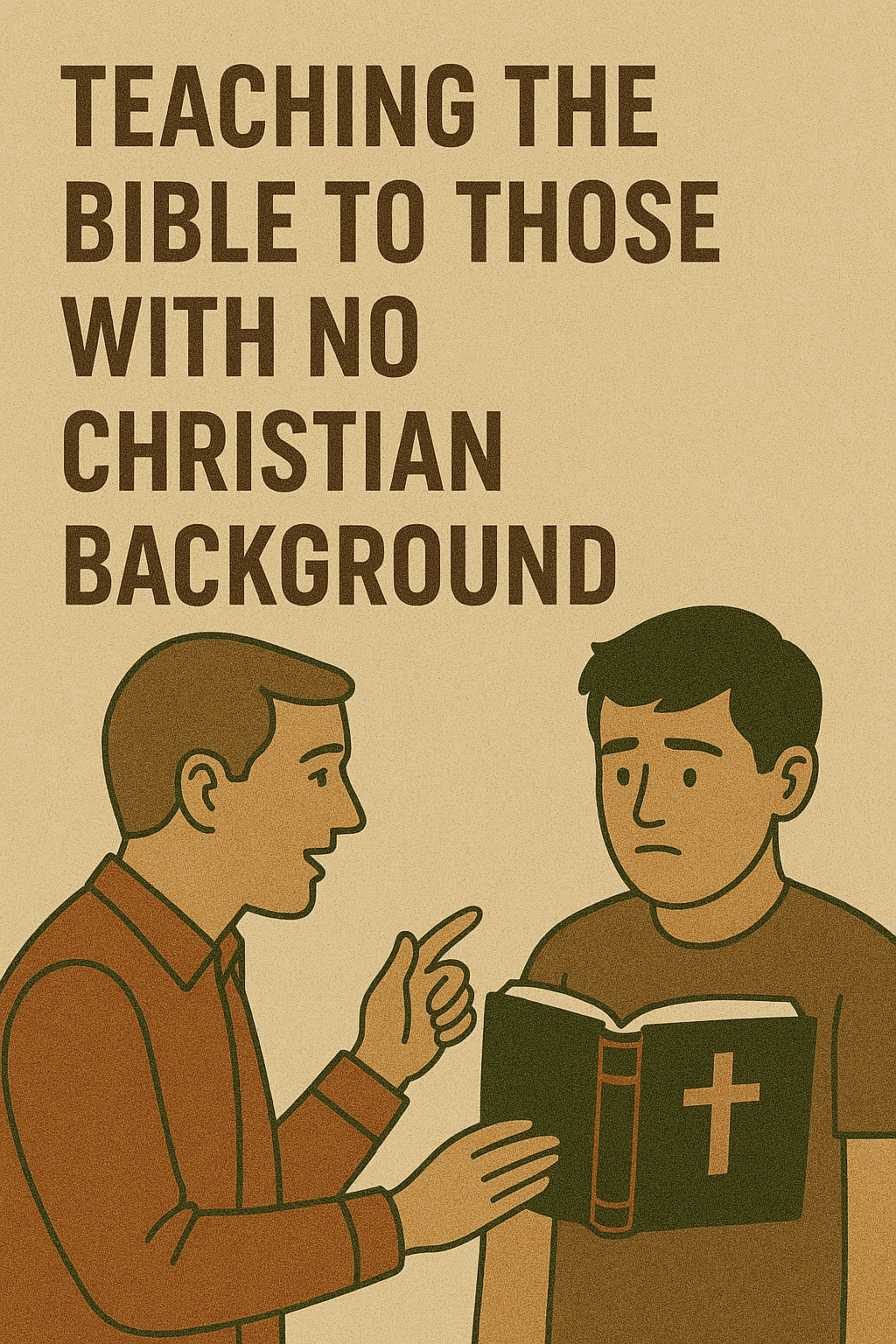
Imagine trying to explain the plot of a movie to someone who’s never even seen a TV. That’s often what it feels like when teaching the Bible to someone with no Christian background. Where do you start? How do you make ancient stories come alive to someone who has never even heard of Abraham, Moses, or Jesus?
Introduction:
If you’ve ever tried to share the Bible with someone from a non-Christian background—especially in the Middle East—you know it’s not as simple as opening the book and reading a passage. Cultural, religious, and historical gaps can make the Bible feel like a foreign language. But don’t worry—I’ve been there, and I’ve learned some powerful ways to bridge that gap.
1. Start with Stories, Not Theology
When you’re teaching someone who has no exposure to Christianity, diving straight into doctrine can be overwhelming. Stories are universal. Start with familiar human experiences—love, betrayal, hope, sacrifice. The Bible is full of these. Share the story of Joseph and his brothers or the Good Samaritan. Let the stories speak before explaining the theology behind them.
2. Build on What They Already Know
Everyone has some framework of belief, whether it’s cultural, religious, or philosophical. In the Middle East, many people are familiar with stories of prophets like Noah, Abraham, and Moses from Islamic tradition. Use these shared touchpoints to build connections. For example, you can say, “You’ve heard of Ibrahim (Abraham), right? Let’s see what the Bible says about him.”
3. Use Simple, Clear Language
Avoid Christian jargon. Words like “salvation,” “redemption,” or “grace” might be second nature to you, but they can be confusing to someone new. Instead of saying, “Jesus offers us salvation,” say, “Jesus came to rescue us and bring us back to God.” Keep it simple and relatable.
4. Be Patient and Open to Questions
When I first started teaching the Bible in the Middle East, I was bombarded with questions I hadn’t even considered—“Why did God let that happen?” or “How can Jesus be both God and man?” Don’t feel pressured to have all the answers. Be honest, and let their questions guide the conversation. It shows you respect their curiosity and are willing to walk with them through their doubts.
5. Live the Message Before You Teach It
Your life is often the first Bible people will read. Before they trust what you say, they’ll watch how you live. Do you show kindness, patience, and forgiveness? When people see the love of Christ in your actions, they’ll be more open to hearing about Him.
Conclusion:
Teaching the Bible to someone with no Christian background isn’t about downloading information—it’s about building relationships, sharing stories, and living out the message of Christ. Remember, it’s not your job to convert anyone—that’s the Holy Spirit’s work. Your role is to plant seeds, love well, and trust God with the growth.
So, the next time you open your Bible with someone new, take a deep breath. Start with a story, listen with your heart, and let God do the rest.
Call to Action:
Have you ever tried sharing the Bible with someone from a different background? What worked for you? Share your experiences in the comments—I’d love to hear your stories!
 The Basin and Towel