
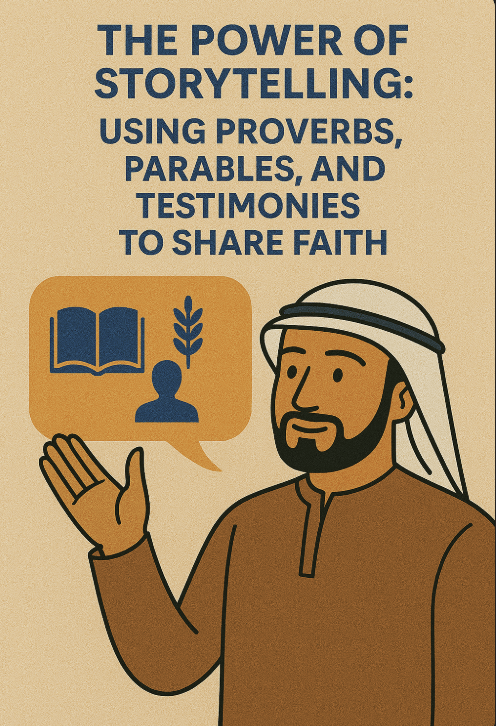
It was a scorching afternoon in a small village on the edge of the desert. Fares sat under the shade of a date palm, sipping sweet tea with an elderly man named Ahmed. Their conversation had drifted from daily life to deeper matters—faith, purpose, and hope. But instead of launching into a theological debate, Fares shared a simple story. A parable. Ahmed listened intently, his eyes reflecting both curiosity and recognition. By the time Fares finished, Ahmed nodded thoughtfully and said, “That’s a story worth remembering.”
Stories have a unique power to transcend barriers, touch hearts, and plant seeds of truth. In the Middle East, storytelling isn’t just an art; it’s a way of life. And when it comes to sharing faith, leveraging proverbs, parables, and personal testimonies can make all the difference.
1. Proverbs: Wisdom in a Nutshell
Proverbs are short, pithy sayings that carry deep truths. Think of them as bite-sized nuggets of wisdom. The Bible is rich with them, especially in the Book of Proverbs, which offers guidance on everything from relationships to integrity.
In Middle Eastern culture, proverbs are part of everyday conversation. They offer a non-confrontational way to introduce biblical truths. For example, when discussing the importance of humility, you might say, “Pride goes before destruction, a haughty spirit before a fall” (Proverbs 16:18). It’s relatable and universal.
2. Parables: Stories That Stick
Jesus was a master storyteller. His parables weren’t just entertaining; they were profound, packed with spiritual truths that resonated across cultures and generations. The Good Samaritan, the Prodigal Son—these stories are timeless because they connect on a human level.
When sharing faith, consider crafting simple stories that mirror biblical parables. Use everyday situations that your listeners can relate to. Whether it’s a story about a lost coin or a farmer sowing seeds, the message becomes accessible and memorable.
3. Testimonies: Your Story, His Glory
Nothing is more powerful than a personal testimony. Sharing how God has worked in your life makes faith tangible and relatable. It’s not about having a dramatic story; it’s about authenticity.
Fares once shared his testimony with a young man struggling with purpose. He didn’t have all the answers, but he had his story—how God met him in his own doubts and led him to hope. That connection opened the door for deeper conversations.
Why Storytelling Works
- Emotional Connection: Stories touch the heart before they engage the mind.
- Cultural Relevance: In many cultures, especially in the Middle East, oral traditions are valued.
- Memorability: People remember stories far longer than abstract ideas.
- Non-Confrontational: Stories invite reflection without feeling like a direct challenge.
Tips for Effective Storytelling
- Be Genuine: Authenticity resonates more than perfection.
- Know Your Audience: Tailor your stories to their experiences and cultural context.
- Keep It Simple: Avoid over-complicating the message.
- Invite Engagement: Ask questions that encourage listeners to share their thoughts.
Conclusion: The Story Continues
As Fares finished his tea with Ahmed that day, he realized something profound. Sharing faith isn’t about winning arguments; it’s about planting seeds. Stories have the power to linger in hearts long after conversations end.
So, whether you’re in a bustling city or a quiet village, remember: your words can echo through stories, proverbs, and testimonies. Share them boldly, and trust that God will use them to draw hearts closer to Him.
 The Basin and Towel