
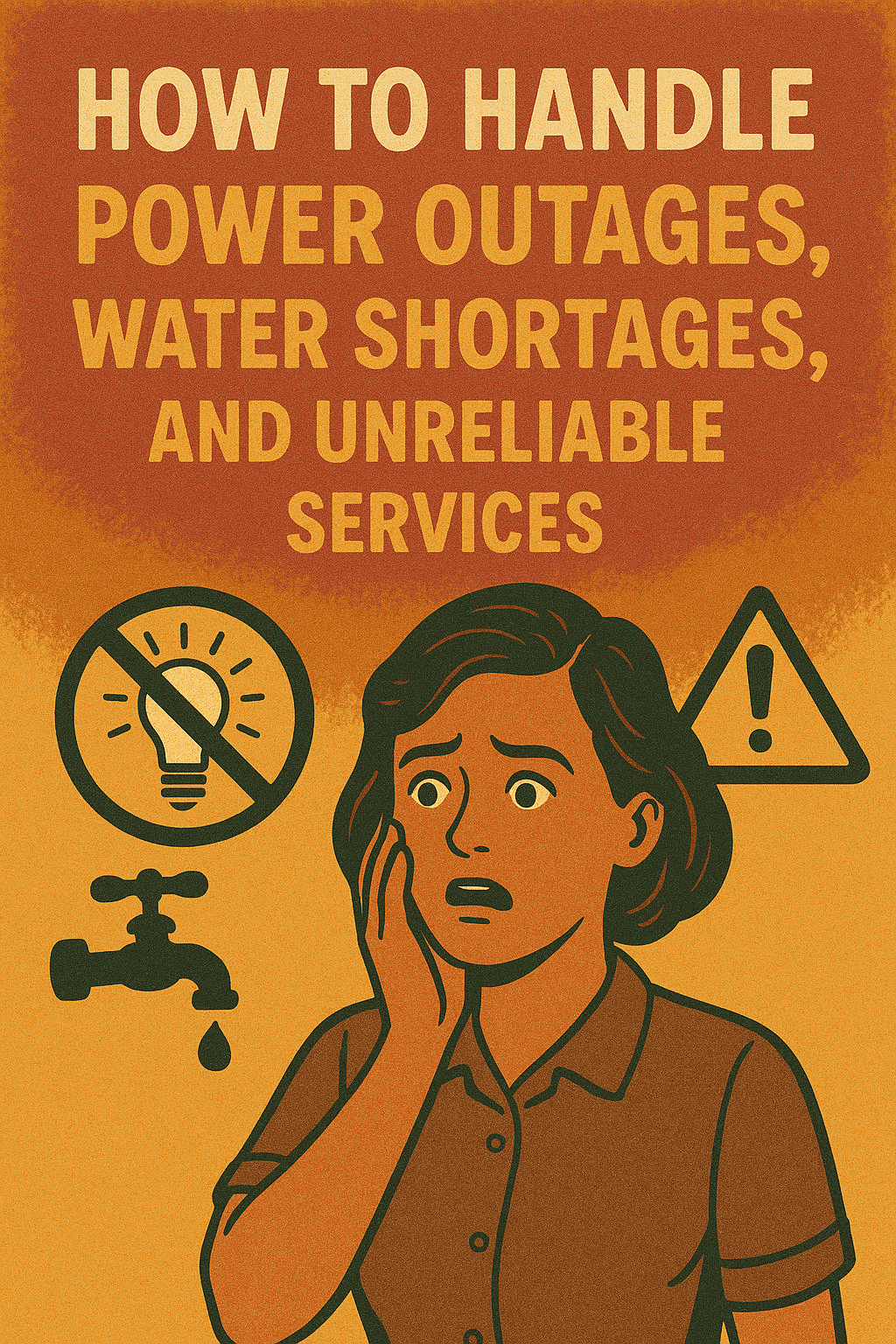
It was midnight in Beirut, The lights flickered once, then died. The fan slowed to a stop. My neighbor called out from across the rooftop, “Looks like we’re back to candle theology!”
We laughed—but we knew the drill.
In much of the Middle East, especially in countries like Lebanon and Syria, power outages, water shortages, and unreliable public services aren’t the exception. They’re part of life. For those of us who serve here, these aren’t just minor inconveniences, they’re spiritual training grounds. And if approached with wisdom and resilience, they can become catalysts for deeper ministry, stronger community, and a more authentic witness.
1. Shift from Survival to Strategy
The first key is mental. If you treat every outage or service failure as an emergency, you’ll burn out. But if you expect them—and plan around them—you’ll thrive where others fold.
- Have a rhythm. Expect power cuts during peak hours. Adjust your most important work accordingly.
- Build margin. Don’t plan your day assuming everything will work. Build in cushion time.
- Decide in advance what matters most. When the water’s out, what takes priority—washing dishes or staying hydrated?
2. Prepare Like a Local
Forget the expat solutions. Locals have been navigating this for generations. Watch, learn, and copy.
- Battery-powered lanterns and fans > candles and flashlights.
- Large water storage containers > fancy filtration systems that need power.
- Solar-powered chargers > complaining about dead phones.
- Clay pots and coolers > dependence on the fridge.
You’re not just living in a different place—you’re learning a new pace. Slow down and let local rhythms shape your routine.
3. Make Inconvenience a Ministry Tool
When the power goes out, people gather. When water is scarce, neighbors talk. When services collapse, community emerges.
- Invite others to share a meal when the fridge goes warm.
- Offer water from your reserve to a struggling neighbor.
- Host a “no electricity” evening of stories, music, or prayer.
Every outage is an opportunity. Every broken system is a doorway to deeper connection.
4. Stay Spiritually Lit When the Lights Go Out
You’ll be tempted to grumble. Don’t. These moments shape your character—and your credibility.
- Let your calm be a testimony.
- Let your preparedness reflect love, not pride.
- Let your home be a place of peace when everything else feels unstable.
When Jesus said, “You are the light of the world,” He wasn’t talking about LED strips. He meant your presence shines brighter because everything else goes dark.
5. Reframe Your Expectations
Unreliable services aren’t the enemy. They’re the soil in which God grows resilient disciples.
Ask anyone who has served here for years—they’ll tell you their most sacred moments came in the dark, by candlelight, when plans fell apart but presence remained.
Ministry in the Middle East isn’t about perfect logistics. It’s about faithful flexibility.
Final Word
When the lights go out, take a breath. Light a candle, turn your phone light on, call the generator guy. Open the Word. And look for the neighbor who’s just waiting for someone to knock on their door.
Because that’s when the real mission begins.
 The Basin and Towel