
In a small town outside of Amman, a father once asked his son why he hadn’t been attending the mosque lately. The boy, a university student, shrugged and said, “I’ve been reading the Qur’an at home. I’m trying to understand it for myself.”
The father paused, troubled, then said something revealing: “But what will the Imam think?”
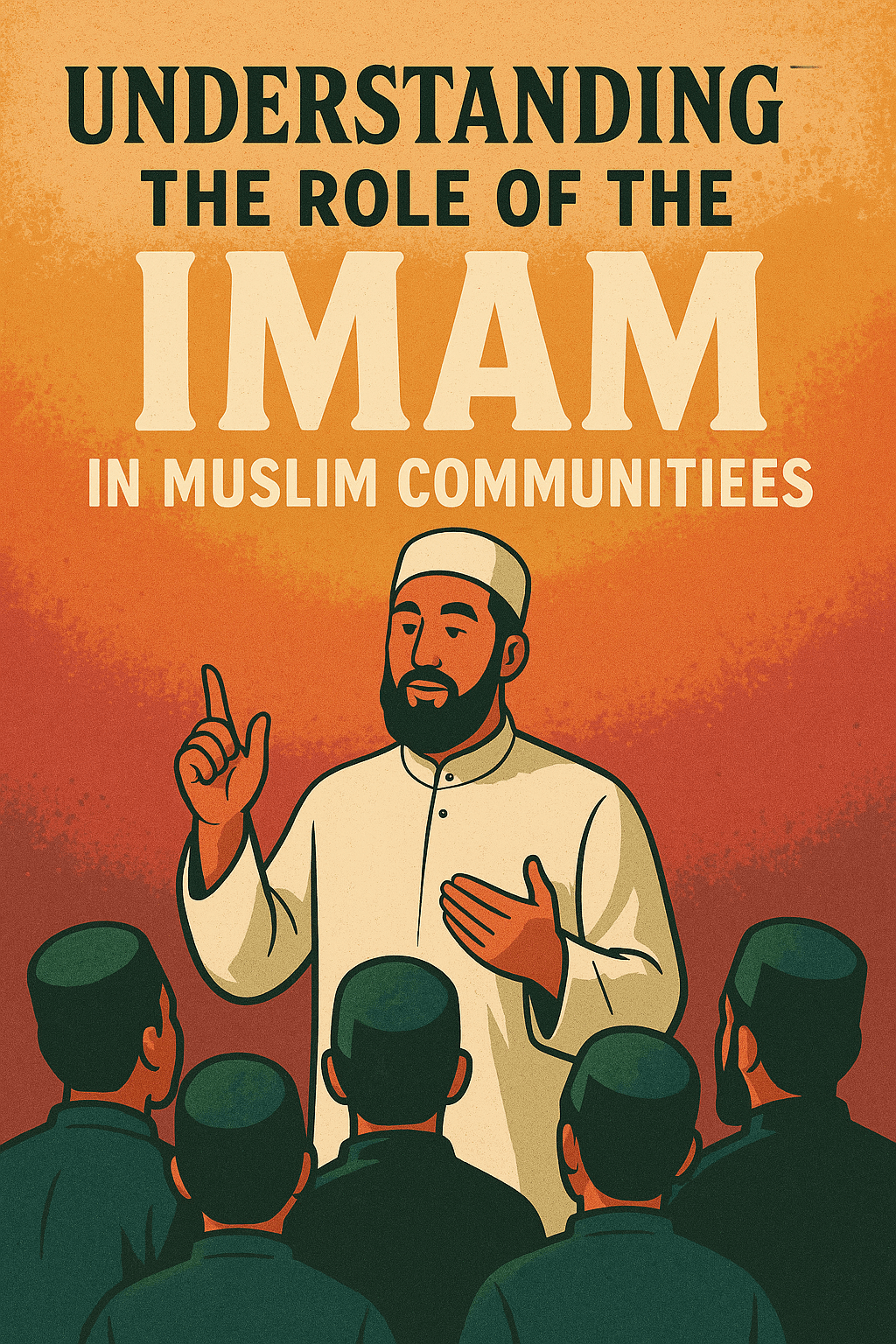
To most outsiders, the role of an Imam might seem straightforward: a man who leads prayers, gives Friday sermons, teaches the Qur’an. But in many Muslim communities, especially across the Middle East, the Imam is far more than a religious functionary. He is the guardian of social order, the gatekeeper of spiritual legitimacy, and often the most influential voice in a community’s moral compass.
In truth, the influence of the Imam can eclipse that of any Western pastor—not because he is louder, but because his voice echoes in every corner of life.
The Imam as Authority
In many villages and urban neighborhoods, the Imam is not simply a teacher; he is the authority. His words can sway elections, resolve disputes, approve marriages, and even decide who is “in” or “out” religiously.
For many Muslims, particularly in more conservative settings, questioning the Imam is like questioning the faith itself. His interpretations often shape the boundaries of belief, and his approval can mean social protection—while his disapproval can lead to marginalization or worse.
To say that the Imam is respected would be an understatement. He is, in many cases, feared—not in a malicious way, but in the deep, reverent sense of someone who holds both power and proximity to God.
The Pastor vs. the Imam
Compare this to many Western contexts where pastors are seen more as guides than gatekeepers. Pastors often encourage questions, foster personal interpretation, and welcome dialogue. They may influence, but they rarely define someone’s standing in society.
But in the Middle East, the Imam’s influence is layered: spiritual, cultural, and sometimes political. He often represents the continuity of generations, the protector of tradition, and a living symbol of orthodoxy. His words don’t just teach; they regulate.
This means that any spiritual transformation—even a private one—cannot ignore the role of the Imam.
The Quiet Convert
There’s a well-known example in Cairo of a young man who began following Jesus after years of private reading and spiritual wrestling. He never told his family. Not because he feared their reaction—but because he knew the moment the Imam found out, the entire community would follow suit. Jobs would be lost. Doors would close. Relatives would suddenly forget his name.
His discipleship didn’t begin with public declaration, but with discreet conversations in coffee shops, encrypted messages, and whispered prayers in the night.
This is the shadow of the Imam’s influence—not always oppressive, but inescapable.
Implications for Ministry
Understanding the Imam’s role helps us avoid two major mistakes:
- Assuming spiritual decisions are made in isolation.
In many Muslim communities, faith is communal, not individual. A person doesn’t just ask what do I believe?—they also ask what will my Imam say? - Underestimating the risk.
A conversation about Jesus may seem casual to you, but to the listener, it could carry social, economic, even physical consequences.
This doesn’t mean we walk on eggshells. It means we walk wisely. It means we listen longer, pray deeper, and consider not just who we are speaking to—but who they’re hearing in the back of their mind.
Hope in the Tension
And yet, in the midst of this weight, God is working. Some Imams themselves have encountered Christ. Others, though still within Islam, have quietly opened space for their congregants to explore questions. In a few rare cases, entire communities have shifted when one Imam took a bold step toward the gospel.
That’s the kind of influence we’re dealing with. And that’s why we must never despise small beginnings.
 The Basin and Towel