
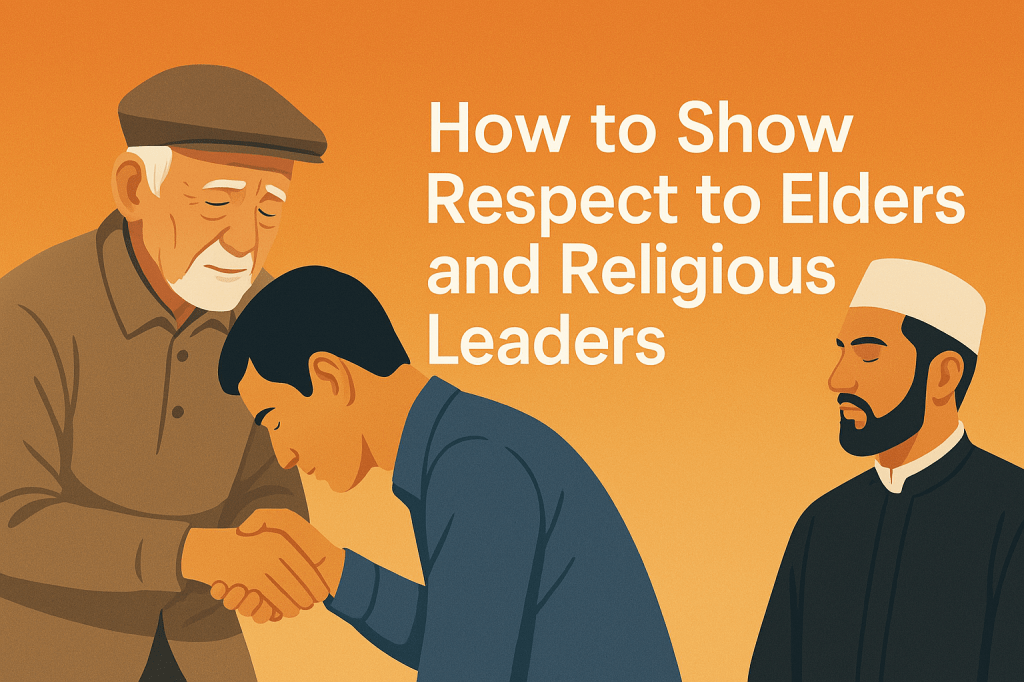
I once introduced a young CREW missionary to a respected elder in my community. Excited to meet him, the young man extended his hand, patted the elder on the back, and said, “Hey there! Nice to meet you!”
I cringed.
The elder smiled politely, but the warmth in the room had shifted. It wasn’t that the young man meant any disrespect, he simply didn’t know the unspoken rules of honor in our culture.
In the Middle East, respect for elders and religious leaders is deeply ingrained in our way of life. It’s not just about words—it’s about posture, tone, and an attitude of honor. If you fail to show it, you may unknowingly create distance in your relationships. But when you do it right, you earn trust, favor, and a deeper connection with the people around you.
So, how do you show proper respect? Here’s what you need to know.
1. Greetings Matter—Start with Humility
In the West, greetings are often casual and equal. But here, how you greet an elder or religious leader sets the tone for the entire interaction.
What to do:
- Stand up when an elder or religious leader enters the room.
- If greeting an elder of the same gender, use both hands in a handshake or place your right hand over your heart after shaking.
- Some elders may offer a light embrace or kiss on the forehead—if they initiate, accept it as a sign of honor.
What NOT to do:
- Don’t offer a handshake to someone of the opposite gender unless they extend their hand first.
- Don’t be overly casual—avoid phrases like “Hey!” or “What’s up?”
2. Use the Right Tone and Language
Respect isn’t just about what you say—it’s about how you say it. Loud, blunt, or overly direct speech can come across as disrespectful.
What to do:
- Speak softly and calmly, especially when addressing elders.
- If an elder or religious leader is speaking, don’t interrupt—listen attentively.
- When disagreeing, use indirect language (e.g., “With all respect, I see it a little differently…”).
What NOT to do:
- Avoid calling elders by their first name unless they specifically ask you to.
- Don’t be too casual in conversation—sarcasm, jokes, or teasing can be misunderstood.
3. Honor Their Presence—Don’t Treat Them as Just ‘Another Person’
In Middle Eastern culture, elders and religious leaders are not treated as equals in social settings—they are given priority. This is a key difference from Western culture, where equality is emphasized.
What to do:
- Offer them the best seat in a gathering.
- If walking with an elder, don’t walk ahead of them—walk slightly behind or beside them.
- In a group setting, let them speak first before sharing your thoughts.
- If an elder offers you something (like food or a gift), accept it with gratitude, even if you don’t need it.
What NOT to do:
- Don’t sit before they do—wait for them to take their seat first.
- Don’t rush ahead when walking together—it can seem like you’re leaving them behind.
4. Serve First, Speak Last
True respect isn’t just about words—it’s about actions. Serving elders is an honor, not a burden.
What to do:
- If food or drinks are being served, serve elders and religious leaders first.
- If an elder needs assistance (e.g., carrying something, opening a door), offer to help immediately.
- If you’re eating together, wait for the elder to start before you begin.
What NOT to do:
- Never let an elder pour their own drink if you can do it for them.
- Don’t start eating before them unless they specifically insist.
5. Respect Religious Leaders as Keepers of Wisdom
Religious leaders are highly respected figures in Middle Eastern culture, and their words carry weight. Even if you don’t personally follow their teachings, showing them honor is essential.
What to do:
- If seeking advice, listen fully before responding.
- If attending a gathering or prayer service, follow the customs of respect, even if you are not participating.
- Address them with proper titles (e.g., Sheikh, Imam, Sayid, or Ustadh).
What NOT to do:
- Never debate a religious leader publicly—it’s considered disrespectful.
- Don’t dismiss their words casually, even if you disagree.
Final Thought: Honor Opens Doors
In the Middle East, respect isn’t just a formality—it’s a way of life. Honoring elders and religious leaders isn’t about tradition—it’s about relationships. When you show respect, you’re not just following customs—you’re building trust, earning favor, and showing that you understand the culture.
And in a culture where relationships mean everything, that makes all the difference.
 The Basin and Towel