
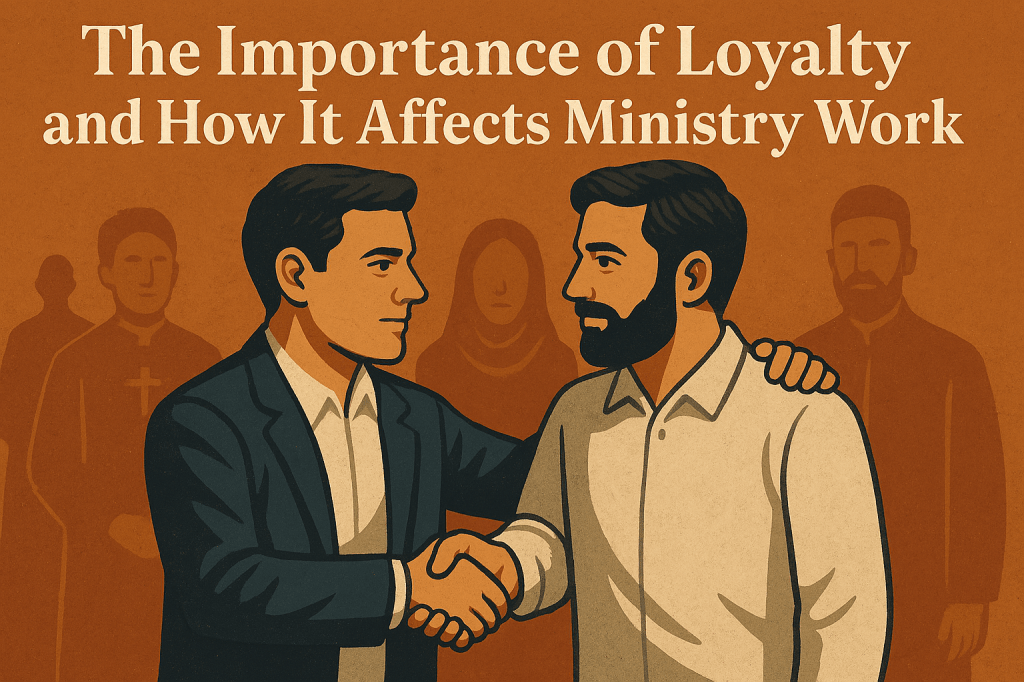
I once knew a well-meaning Western missionary who unintentionally burned every bridge he built.
He was passionate, hardworking, and eager to make an impact. But after a year of ministry in the Middle East, his local friends started distancing themselves. Invitations stopped coming. Conversations felt colder. Eventually, he asked me, “What did I do wrong?”
The answer was simple: he had broken the unspoken rules of loyalty.
In the Middle East, loyalty is everything. It defines friendships, shapes communities, and determines who people trust—or don’t. If you don’t understand how loyalty works, you will struggle to build deep, lasting relationships. And in ministry, relationships are the foundation of everything.
Here’s why loyalty matters—and how getting it right can transform your ministry.
1. Loyalty Is More Important Than Truth
Westerners tend to prioritize truth over relationships. If something is right, they’ll defend it—even if it costs them a friendship.
But in the Middle East, truth must be handled through the lens of loyalty. People are not just loyal to ideas—they are loyal to people, families, and communities. If you challenge someone publicly, correct them too harshly, or expose a mistake without wisdom, you might be speaking truth—but you are also betraying trust.
What to do: Be careful how and when you share truth. Always prioritize relationships over winning an argument.
What NOT to do: Never embarrass someone in public, even if they are wrong. Correct privately and gently.
2. Once You’re ‘In,’ You’re Expected to Stay
Loyalty is not casual in the Middle East—it’s a deep, lifelong commitment. Once you become part of a family, community, or ministry circle, people assume you are there for life.
Westerners often make relationships quickly but leave just as fast. They might change churches, switch teams, or move locations based on opportunity. But in the Middle East, leaving a relationship, ministry, or community isn’t seen as a personal decision—it’s seen as abandonment.
What to do: If you build deep relationships, understand that people expect long-term commitment. If you need to leave, take time to explain it in a way that reassures them of your ongoing care.
What NOT to do: Don’t disappear suddenly or leave without explaining. It creates wounds that are hard to heal.
3. People Protect Those Who Are Loyal to Them
Loyalty is a two-way street. If you prove yourself faithful—by standing by your friends, honoring relationships, and keeping your word—people will protect you.
I have seen local believers defend missionaries simply because they were loyal. Even in difficult situations, they stood by them. Why? Because in Middle Eastern culture, a loyal friend is family.
What to do: If you want deep, unbreakable trust, show loyalty even when it costs you something. Defend your friends, stand by your team, and never speak badly about those close to you.
What NOT to do: Don’t criticize one friend to another. Gossip and betrayal destroy relationships instantly.
4. Leaving a Ministry Feels Like a Betrayal
Ministry in the Middle East is built on deep relationships, not just work. In the West, people often think of ministry as a calling—something they can move between based on where they feel led. But here, ministry is about family.
If you leave a team, ministry, or church, people may not see it as just a professional transition. They may feel personally hurt, as if you have abandoned them.
What to do: If you need to transition, take months, not weeks, to prepare people emotionally. Reassure them that your relationships remain, even if your location changes.
What NOT to do: Don’t assume people will understand your reasons for leaving. If they don’t see the loyalty in your decision, they will feel betrayed.
 The Basin and Towel