
The Story of Yusuf: A Test of Loyalty
I was sitting in a coffee shop with a local pastor named Yusuf. His face was weathered by years of hardship, but his eyes held a quiet strength. He leaned in and told me about the time his closest friend and ministry partner, someone he had discipled for years, suddenly left him. Without warning and without explanation. “Betrayal cuts deep,” Yusuf said, stirring his tea slowly. “But loyalty? Loyalty builds something that lasts.”
Yusuf went on to tell me how, despite that painful loss, he chose to remain faithful to the work God had called him to. Over the years, those who stayed, those who were loyal, became the foundation for a thriving underground church movement.
His story isn’t unique. In ministry, especially in high-risk areas of the Middle East, loyalty determines not just personal relationships but the very survival of the mission.
Understanding Loyalty in a Middle Eastern Context
As a Western missionary, you might come from a culture where ministry commitments are more flexible and individualistic. In the Middle East, however, relationships are everything. Trust is slow to build but quick to shatter, and loyalty is often the deciding factor between a thriving ministry and one that collapses under pressure.
Here’s why loyalty is essential:
1. Loyalty Creates Stability in an Unstable Region
Ministry in the Middle East is often unpredictable. Persecution, government scrutiny, and shifting alliances can shake even the strongest teams. But when people are loyal—to God, to each other, and to the mission—they provide a foundation of stability that keeps the work from collapsing.
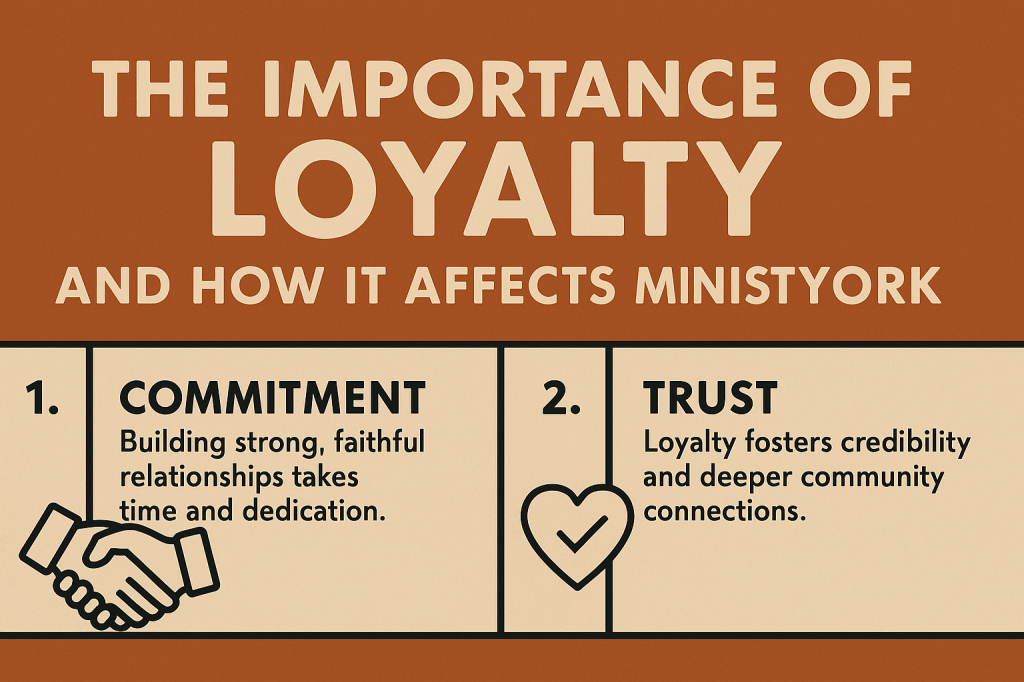
2. Loyalty is the Currency of Trust
Trust isn’t built overnight, and in the Middle East, it requires deep personal investment. If locals sense that you are temporary or easily discouraged, they will withhold trust. But when they see you standing firm over time, loyalty begins to grow, and real relationships are forged.
3. Loyalty Leads to Long-Term Impact
The Western model of ministry often prioritizes efficiency and rapid results. But in the Middle East, transformation happens slowly. Loyalty to a community, a calling, or a vision ensures that discipleship is deep and lasting, rather than just surface-level conversions.
What Happens When Loyalty Fails?
On the flip side, when loyalty is lacking, ministries become fragile. I’ve seen promising church plants disintegrate because key leaders abandoned the work. I’ve seen young believers fall away because those discipling them left too soon. Disloyalty breeds instability, and instability often leads to failure.
Consider Jesus’ example. He invested deeply in twelve disciples. Even when Judas betrayed Him, the loyalty of the others laid the foundation for the early church. Without their commitment, the gospel movement would have stalled before it even began.
How to Build Loyalty as a Western Missionary
So how do you, as a Western missionary, cultivate loyalty in the Middle East?
1. Commit to the Long Haul
If you come to the Middle East with a short-term mindset, people will notice. Stability and long-term presence speak louder than words. Commit to staying even when it’s hard.
2. Invest in Relationships Beyond Ministry
Loyalty isn’t just about mission work; it’s about life. Spend time with your local partners outside of structured ministry. Share meals, celebrate their holidays, and show genuine interest in their families.
3. Be Transparent and Trustworthy
People remain loyal when they feel secure. Be open about challenges, communicate clearly, and show integrity in your decisions. Avoid making promises you can’t keep.
4. Honor the Culture’s View of Commitment
Western culture values individualism and flexibility, but in the Middle East, loyalty is about communal responsibility. Honor commitments even when they are inconvenient. Show up when expected, and don’t make decisions without considering their long-term relational impact.
5. Remember the Bigger Picture
Ministry isn’t about personal success; it’s about God’s kingdom. Remind yourself and your team why you are serving and who you are serving. When the vision is clear, loyalty follows.
Final Thoughts: The Legacy of Loyalty
Years later, I met Yusuf again. His ministry had grown, and his team was stronger than ever. The ones who stayed—the loyal ones—became pillars of faith in their community.
Loyalty in ministry isn’t just about sticking with people; it’s about building something that outlasts us. It’s about creating a foundation that God can use for generations.
So ask yourself: Are you cultivating loyalty in your ministry? Because in the end, it’s not just about how we start the race—it’s about who is still running with us when we cross the finish line.
 The Basin and Towel